Japanese
Traveling to Japan
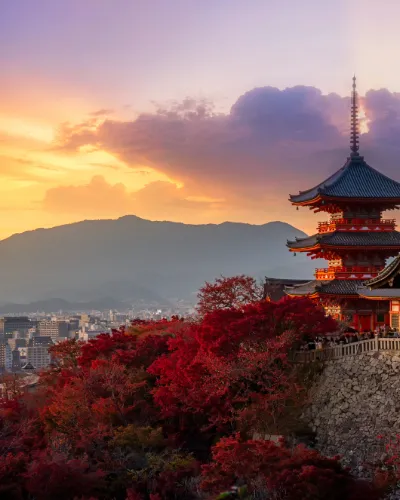
Japan is a country where the modern and the traditional exist side by side. Futuristic cities stand alongside ancient temples, high-speed trains glide past rice fields, and tranquil gardens are hidden in the heart of bustling urban centers. Our trips to Japan combine comfortable accommodations, well-planned itineraries, and knowledgeable tour leaders who ensure a safe and enriching holiday. Whether you want to explore historic landmarks or join a guided round trip, there is an option that suits you. The climate varies from north to south, but much of the country experiences distinct seasons. Spring offers mild temperatures and the famous cherry blossoms, summer is warm, autumn brings pleasant weather, while winter can be clear and crisp – with snow in the northern regions and drier cold in cities such as Tokyo. This makes Japan a destination worth visiting year-round.
Capital City
★ Tokyo
Language
★ Japanese
Residents
★ Approximately 123 million
Currency
★ Japanese Yen (JPY)
Discover Tokyo
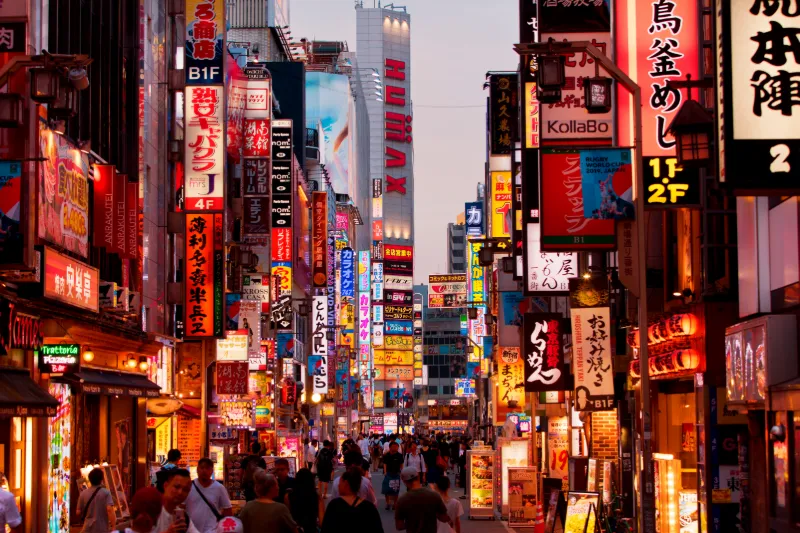
Tokyo, with its 14 million inhabitants, is the capital of Japan and one of the world's most fascinating metropolises. Here you will find skyscrapers and neon lights alongside historic temples and peaceful parks. Each district has its own identity and feel. Here tradition and future meet in a unique way. In Asakusa is the historic Senso-ji Temple, while districts such as Shibuya represent modern Japan with skyscrapers, shopping and cutting-edge technology. Tokyo is also a culinary center with more Michelin-starred restaurants than any other city in the world, while small local noodle bars and sushi places offer genuine taste experiences. The city also has plenty of parks and gardens that provide a break from the pace. It is precisely the balance between energy and harmony that makes Tokyo so special – a city where each neighborhood tells its own story.
When do the cherry trees bloom in Japan?
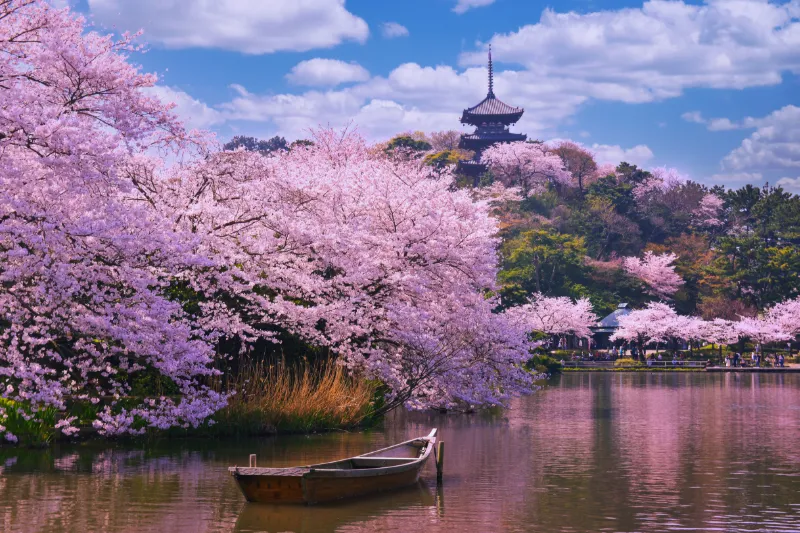
The cherry blossom season is one of the most eagerly awaited events in Japan. When the trees burst into pink and white, parks and city streets are transformed into blooming landscapes. The blossoms symbolize life and beauty – a concept deeply rooted in Japanese culture. In Tokyo and the southern parts of the country, the blossoms usually occur between late March and early April. They then move north and can be experienced later in the spring in other regions. Since the blossoms are relatively short-lived – often around one to two weeks – a special sense of presence and community is created when people gather under the trees. For many, this is the most beautiful time of the year and one of the most memorable times to visit Japan.
Attractions in Japan
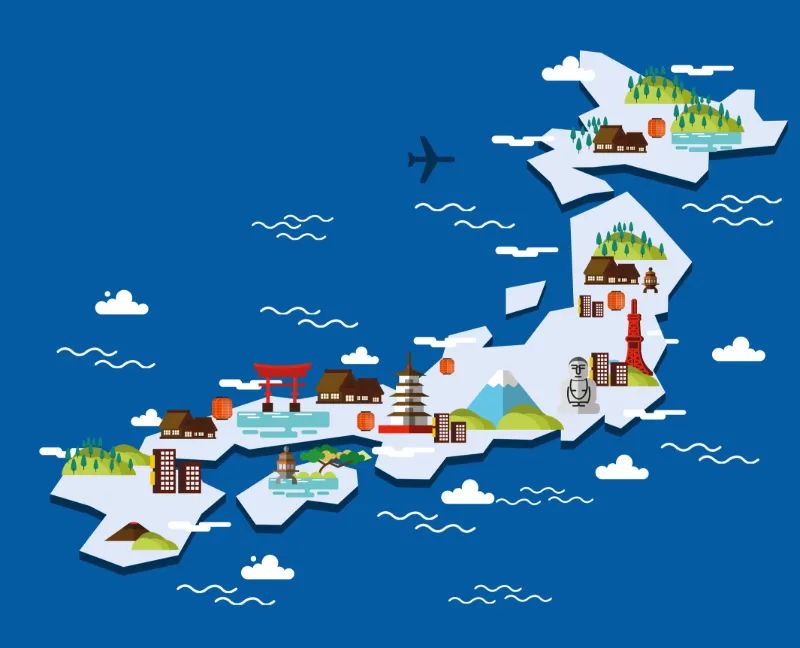
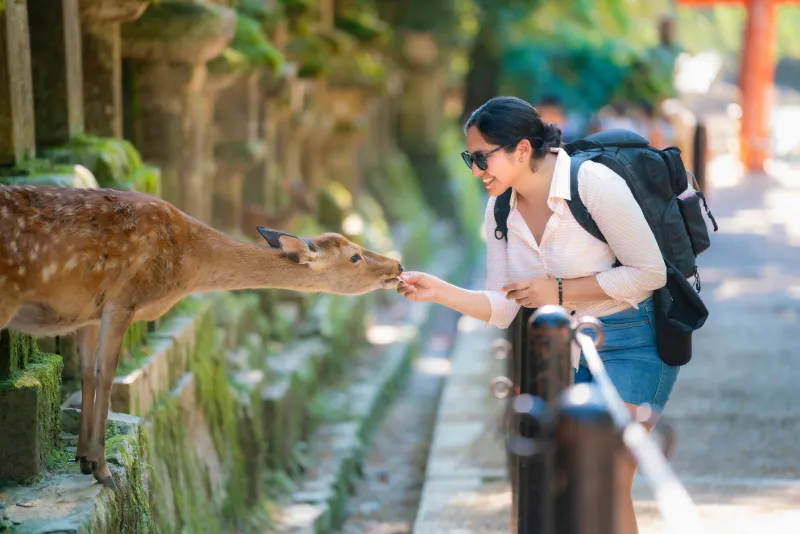
Japan offers a wide variety of attractions – from natural masterpieces to historical monuments. The iconic Mount Fuji rises 3,776 meters above sea level and is a symbol of the country. The mountain is located about 100 kilometers outside Tokyo and on clear days the mountain can be seen, this is a popular destination for both hikers and photographers. The city of Kyoto has hundreds of temples that provide an insight into Japan's imperial history. The city of Hiroshima carries a strong and important history, while Osaka is known for its vibrant city life and food culture. The combination of historical sites, scenic areas and modern urban landscapes means that each part of the country has its own unique character. On the island of Aoshima there is also an exciting culture, as the island has more cats than inhabitants. There are said to be about 400 cats on the island, while the population is a maximum of 100 people. The island can be visited and is a popular tourist destination.
Japanese traditions & holidays
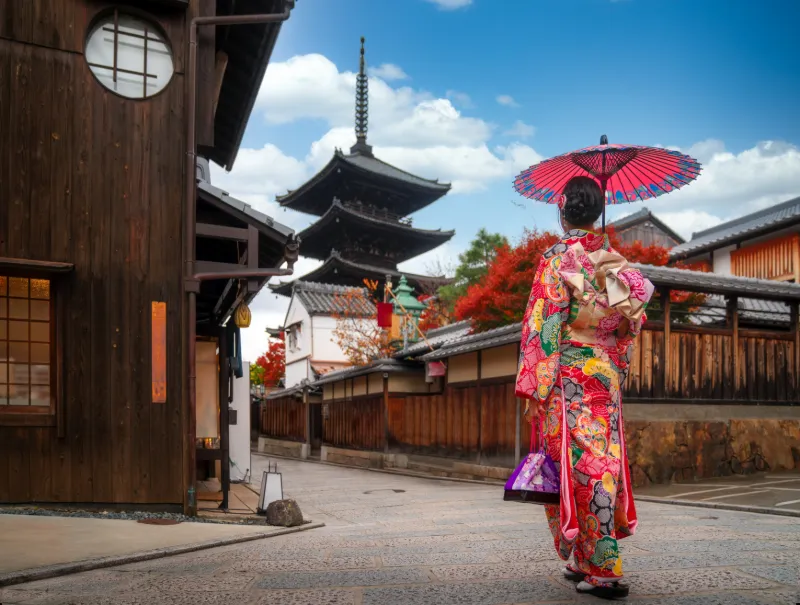
Traditions are a natural part of everyday life in Japan. Respect for the past is evident in everything from architecture and clothing to social codes and ceremonies. The tea ceremony is a clear example of how aesthetics, stillness and presence are combined in a simple but symbolic ritual. Art forms such as calligraphy and flower arrangements also reflect the Japanese sense of detail and balance. Holidays are numerous and are often celebrated with both family gatherings and public festivals. Chinese New Year is the most important weekend of the year and involves temple visits and traditional dishes. In the spring, people gather for hanami, which is a picnic under blooming cherry trees. Summer offers colorful festivals with parades, traditional costumes and fireworks, while autumn celebrates the harvest and the changing colors of nature. It is a culture where community, respect and the changing seasons are at the center.

Is it expensive in Japan?
Many people wonder, “Is Japan expensive?” Compared to some other Asian countries, the cost of living in Japan, especially in the big cities, can be high. Accommodation and long-distance travel can be the biggest expenses. However, by using budget-friendly food options and choosing a Japan Rail Pass for transportation, you can manage costs effectively. The food is often affordable and of exceptional quality. With careful budgeting and planning, Japan is an accessible and exciting destination.
Tips for your trip to Japan
Japan is a popular travel destination all year round, and the climate varies depending on the season and region. Spring brings blooming cherry trees and mild temperatures, while summer can be hot and humid, especially in the south. Winter is cold in the north and in the highlands, but milder along the coasts. Therefore, pack clothes according to the season, comfortable shoes for walking, and sun protection if you are traveling during the summer. It is also good to know that meals in Japan often follow fixed times but can differ from Swedish habits. Breakfast is often simple, lunch is popular at restaurants and fast food chains, while dinner can be a longer meal with several courses. Trying local specialties such as sushi, ramen or okonomiyaki is almost a must. Public transport in Japan is very well developed, efficient and punctual. The bullet trains make it easy to travel between cities. With the right preparation, you can enjoy a smooth and comfortable trip in Japan – whether you want to explore big cities like Tokyo, enjoy nature or experience the country's rich culture and history.