Travel to Italy
About our group trips to Italy
Italy is a country that has it all – history, culture, food… well, you know what we mean. You walk among ancient ruins, only to find yourself in a square full of people a moment later. That mix of bustling piazzas and quiet little coastal towns is special. And let’s not forget those rolling landscapes, with vines and olive trees as far as the eye can see. Italy truly lives on its contrasts. One day you might find yourself in the middle of bustling city life, the next day you can relax in a small village. It doesn’t matter so much whether you prefer to wander among works of art and museums, enjoy long lunches with pasta and wine, or just sit back on a planned tour. We’ve put together trips that are appreciated by the vast majority.
Capital
★ Rome
Language
★ Italian
Residents
★ Approximately 59 million
Currency
★ Euros (€)
Rome is a city that feels both timeless and full of life. Almost three million people live here. History cannot be avoided here. Every corner, every piazza or old wall seems to want to tell its version of what happened over the years. You are easily reminded that Rome was the center during antiquity, which is visible in the Roman Forum and, of course, the Colosseum. But when the sun goes down and the city wakes up again with its bars and restaurants, Rome feels like any big city today. Each area of the capital has its own style and atmosphere. Piazza Navona is a popular place for tourists, but at the same time absolutely stunningly beautiful with its fountains, cobblestone streets and baroque facades. You get the feeling that the city's history is still very present when you are in Rome.
Attractions in ItalyIn Rome, the capital of Italy, stands the Colosseum – a monument that most people probably recognize. This enormous amphitheater has accommodated tens of thousands of people during ancient gladiatorial games and other public events. In the middle of Rome you will also find Vatican City. It is the smallest state in the world, completely surrounded by the city, and in the center is the enormous St. Peter's Basilica. The church is considered one of the holiest places in Christianity. Michelangelo even created the dome. If you are looking for absolutely top-class art, Florence is recommended, where Renaissance works are displayed almost everywhere. Milan offers both historical heritage and modern design, making the city an unusual mix of old and new. Are you longing for nature? Then there is the Amalfi Coast with its dramatic views, the mighty Dolomites and idyllic lakes such as Lake Garda up north.
Italian traditions & holidaysTraditions play a significant role in Italy, influencing everything from food to crafts and how people socialize at parties and festivals. Opera, art, theatre and various crafts are often found in everyday life. Holidays tend to revolve around family, often with long dinners or special traditions. Easter involves religious processions, but also baking and eating colomba pasquale, a type of festive bread that belongs to this time of year. Ferragosto in August is probably the country's most famous holiday - when both family and friends find their way out to celebrate together, sometimes in simple ways, sometimes with great fanfare.
Milan TravelIt's hard not to think of style and creativity when Milan is mentioned. You quickly realize that Milan is truly Italy's great fashion and design center, a place where elegance is in the walls. Luxury stores mix with elegant cafes and ornate architecture. All of this reflects Milan's sense of taste in its own way. The Duomo di Milano rises right in the center. The cathedral has become a symbol of the entire city. But Milan is not only about fashion, shopping and beautiful buildings. The cultural offering is quite impressive too. La Scala, the opera house, is very popular with both locals and tourists. Milan also offers some green spaces where you can breathe a sigh of relief. Parco Sempione, for example, or Giardini Pubblici Indro Montanelli.
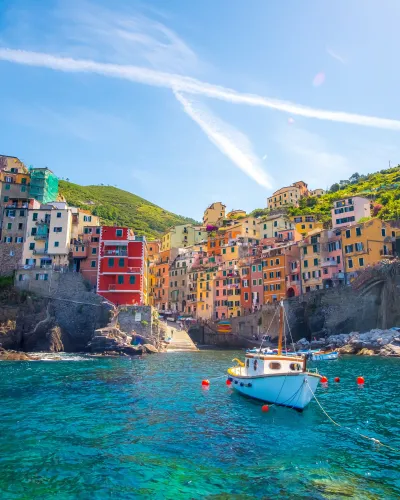
Cinque Terre HolidaysCinque Terre is one of Italy's most popular coastal communities and consists of five small villages: Monterosso, Vernazza, Corniglia, Manarola and Riomaggiore. The colorful houses that climb steep cliffs towards the Mediterranean create a landscape that feels almost surreally beautiful. For those who enjoy hiking, the area offers something very special. The paths, some steep, others more gentle, offer views that make you want to stop, maybe just stand there and breathe it all in for a while longer. What would Liguria be without its food? Fresh fish, just caught, and that classic green pesto. Even though visitors flock here from all over the world, each small village manages to maintain its own character in its own way. It is precisely that mix of untouched nature, vibrant culture and really good food that makes Cinque Terre a destination that you never really forget.
Italian food cultureThe food culture in Italy is truly characterized by centuries-old traditions. It's not just about national dishes, but about particular favorites where each region has its own recipe for what they call "the best" version. When you think of Italian food, it's basically inevitable that pasta will appear first, and pasta comes in many forms. It's not hard to understand why pizza has achieved star status in Italy. Above all, Naples is usually mentioned as the origin of pizza, the Neapolitan pizza is almost legendary by now. But it doesn't stop there, of course. There are many other regional specialties. Risotto in Milan is a clear example, and in Liguria it's focaccia. Emilia-Romagna is now almost synonymous with its Parmesan cheese and prosciutto. If you move towards the coasts, especially on the Mediterranean, fresh seafood takes center stage. Truffles are often picked and used in Piedmont and Tuscany. Italy is also one of the world's largest wine producers. Whether it's red, white or sparkling wines, there's something to match every dish.
Tips for your trip to ItalyItaly is a popular travel destination all year round and the climate varies significantly between the northern and southern parts of the country. In the north, for example around the Alps and Dolomites, winters are cold with the possibility of snow, while summers are warm and sunny. In central Italy, the climate is Mediterranean-inspired with mild winters and hot summers. In the far south and on the islands of Sicily and Sardinia, summers are dry and very hot, while winters are often pleasant. Pack clothes according to the season, comfortable shoes for walking on cobblestone streets and in historic city centers, and sun protection during the warmer months. Public transport in Italy works well, especially between larger cities. The train network is extensive and makes it easy to travel between, for example, Rome, Florence and Milan.