Travel to Spain
About our trips to Spain
Spain is one of our most popular destinations, and it’s easy to see why. Here, you’ll find everything you could wish for: sunny days, beautiful beaches, rich culture, and vibrant cities that always have something new to offer. Just think of the countless tapas bars in Barcelona or the magnificent cathedrals throughout Andalusia. And of course, we can’t forget the islands either. Places like Mallorca, Gran Canaria, and Lanzarote are true favorites for many travelers. Whether you’re looking to relax on the beach, explore historic landmarks, or head out on a scenic hike, we have something for everyone.
Capital
★ Madrid
Language
★ Spanish
Residents
★ Approximately 48.8 million
Currency
★ Euros (€)
Trips to Madrid
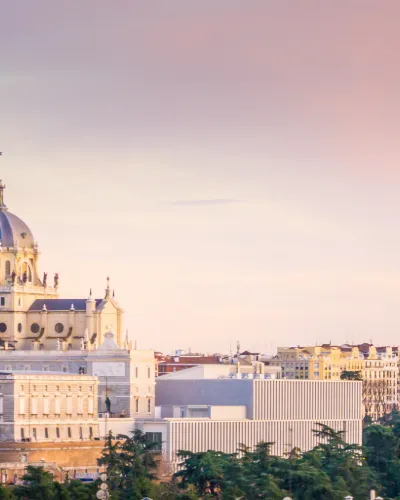
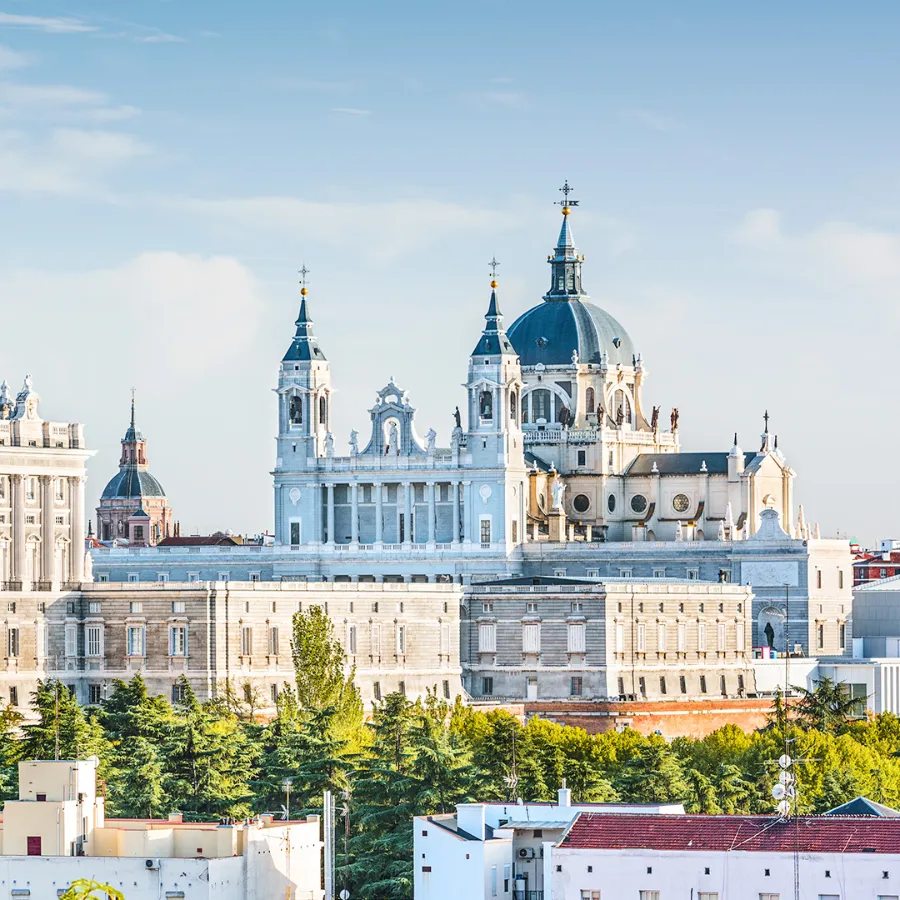
Madrid is the capital of Spain and it is immediately noticeable with all the people and the constant buzz from the streets and squares. There is always something going on in the city and many say that the culture really is in the walls. If you like art or are just a little curious, some of Europe's top museums are here. Madrid is packed with restaurants, classic tapas places and market halls like Mercado de San Miguel. Here, traditional dishes are mixed with modern food culture. And then there is football, of course. Real Madrid is the great pride here and Santiago Bernabéu is almost a bit of a landmark in itself. If you are interested in football, it is difficult to escape how much it characterizes the city. Madrid has something for everyone: history, museums, food, football, and an everyday lively energy.

Spanish traditions & holidays
Spanish traditions are a big part of the country's identity. In Spain, holidays and local celebrations are fun if you want to experience the real culture. Semana Santa, one of the most important religious holidays in Spain, is celebrated in many Spanish cities during Easter. Ferias (folk festivals that include music, dance and markets) often last well into the night and are celebrated all over the country. The culture of southern Spain also includes flamenco. It is expressed musically and physically through singing, guitar playing and dancing, and is closely linked to Andalusia. Food is also a big part of Spanish culture with tapas, paella and regional specialties made with local ingredients.
Trips to Barcelona
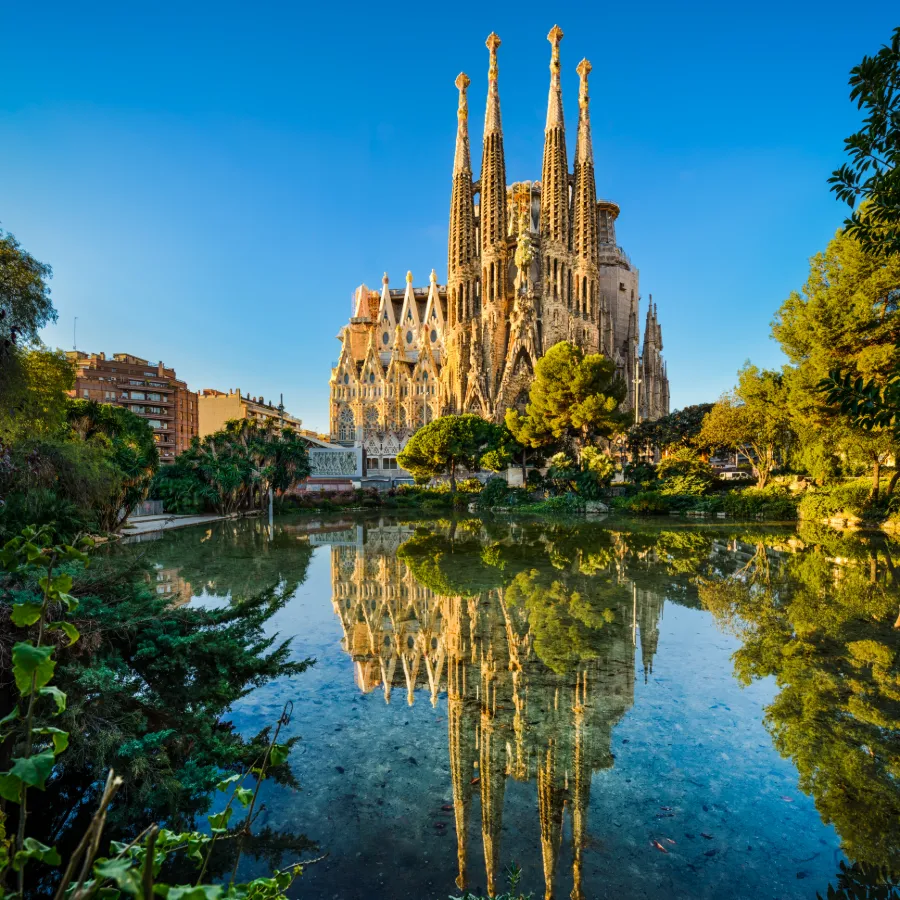
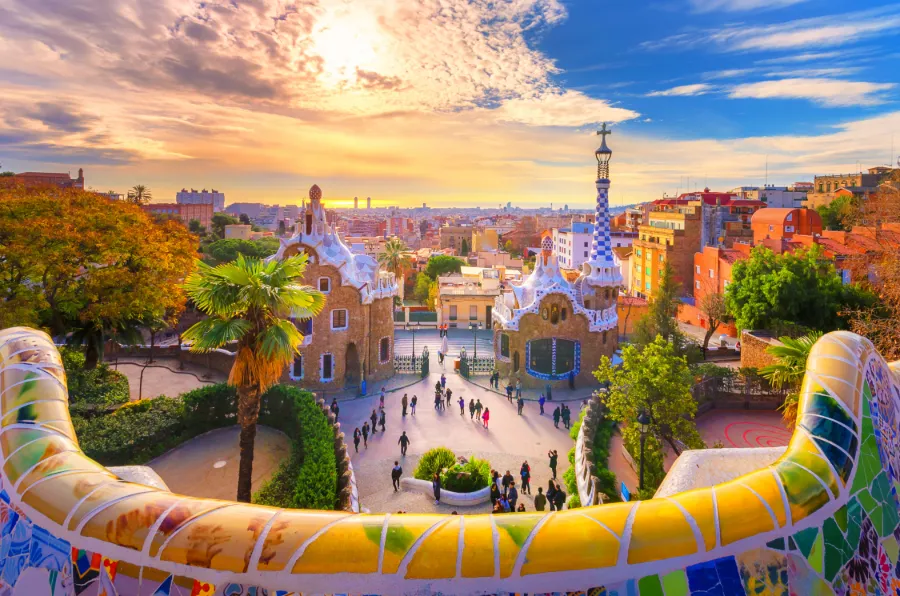
Barcelona is one of Spain's most popular cities. Here you will find a mix of beach life, cultural experiences and really good food. It is difficult not to notice Gaudí's architecture when walking around the city. Works such as the Sagrada Família and Park Güell often end up high on the list of attractions. Barcelona has a Mediterranean climate with warm summers and mild winters, which makes it a year-round destination. One thing that is really big in Barcelona is football. FC Barcelona is the city's biggest team and means an incredible amount to many who live here. Experiencing the atmosphere around a match, or perhaps taking a trip to the classic Camp Nou stadium, is for many a highlight of Barcelona.
Attractions in Spain
Spain really has a lot to offer for those interested in sights. You may already know the Sagrada Família, the magnificent cathedral in Barcelona. If you like color and shape, a visit to Park Güell is popular. If you move south in the country, you can see the Alhambra in Granada. In the area around Nerja on the Costa del Sol, you will find the awesome Nerja Caves. It is a cave system with stalactite formations that almost feel almost unreal. Balcón de Europa, also in Nerja, offers an incredible view of the sea. Whether you are looking for art, history or just want to walk around and discover something new, Spain has something for everyone.
Spanish tapas
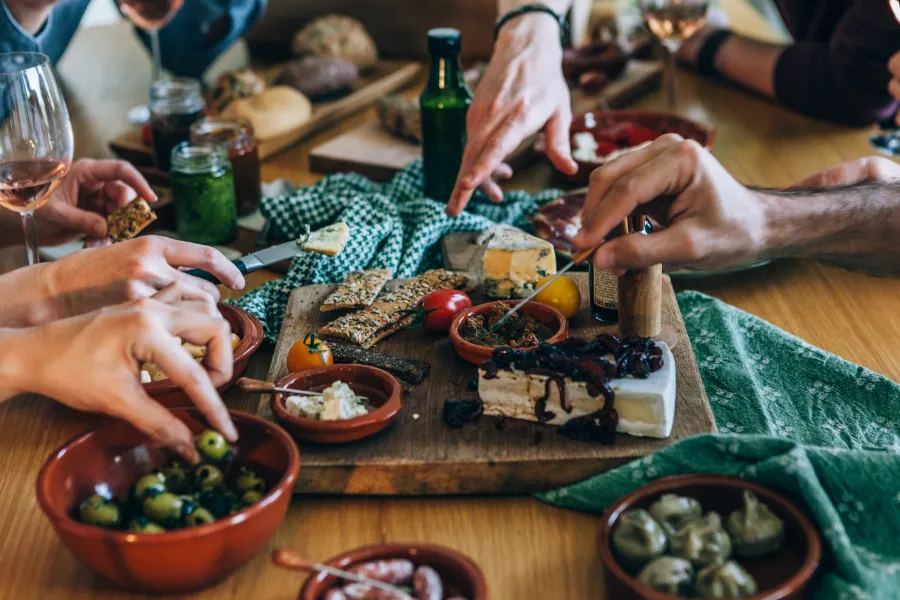
Spanish tapas have long been a central part of Spain's food culture and for many visitors it is an obvious part of the trip. Tapas are small portions of food, sometimes just a mouthful, that are either eaten as a light snack or built up into a full meal. The history behind tapas contains several stories, but one of the most common is that the tradition began when people simply placed a small slice of bread, perhaps with a little ham on it, on top of the glass. “Tapa” actually means lid in Spanish. They wanted to protect their drink from dirt and insects. The dishes differ somewhat depending on where in Spain you are. The selection is wide and there are so many variations. Some of the most popular are patatas bravas, tortilla española, jamón ibérico and gambas al ajillo.
Visit the Canary Islands
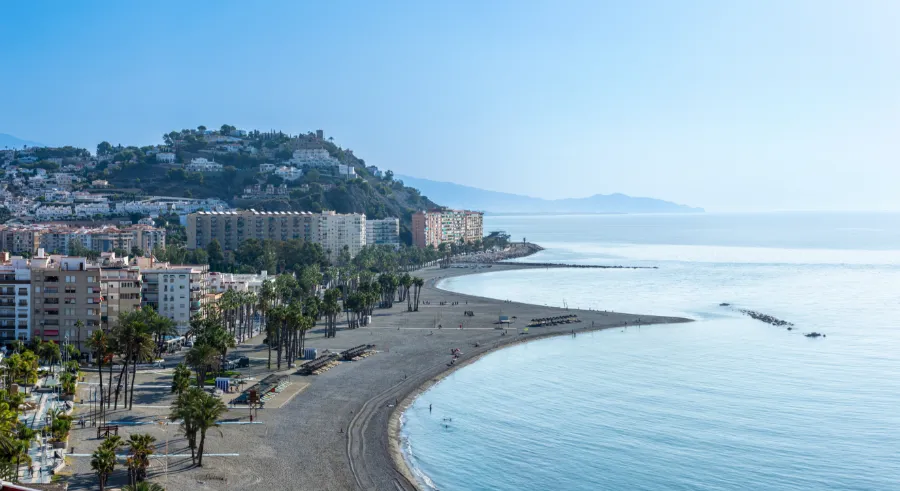
The Canary Islands are a Spanish archipelago in the Atlantic Ocean and thanks to the pleasant weather, the Canary Islands are a popular travel destination, especially during the winter months. Lanzarote is characterized by its volcanic landscape, while Gran Canaria offers everything from Maspalomas to mountainous areas in the interior. Tenerife is home to Spain's highest mountain, Teide. The Canary Islands also have their own culinary experiences. A famous dish is papas arrugadas, which are small salt-boiled potatoes served with mojo rojo or mojo verde.
Tips for your trip to Spain
Spain is a popular destination all year round and the climate varies depending on the season and region. During spring and summer, temperatures can be high, so pack light clothing, sunscreen and comfortable shoes for excursions and walks. It is also good to know that the Spanish eat later than in Sweden. Lunch is often served in the afternoon and dinner rarely starts before 8 pm in the evening, which can be good to keep in mind when planning your days. Public transport in Spain is well developed and affordable, making it easy to get between city districts, beaches and attractions.