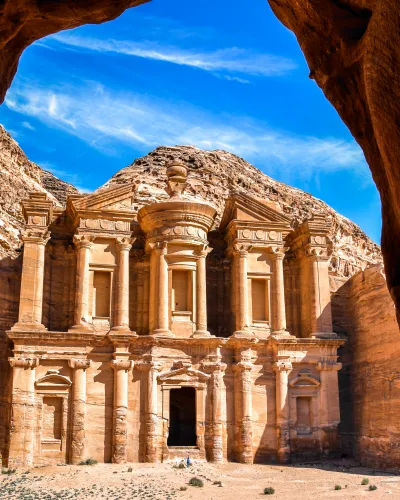
Climate and weather in the Middle East
What is the climate like in the Middle East?
The climate of the Middle East is largely hot and dry, with high temperatures for much of the year. Many areas have a desert climate, which means very little rainfall and long periods of sun and drought. Although the climate is similar across much of the region, it can vary depending on geographical location, with coastal, inland and higher elevation areas having noticeable differences in both temperature and rainfall.
What is the weather like in the Middle East?
Summers are often very hot, with temperatures in some areas exceeding 40 degrees Celsius. The heat is usually dry inland, while the coasts can feel slightly cooler thanks to sea breezes. During the winter, temperatures drop and the weather becomes more pleasant, with occasional more rain, although it is still relatively dry compared to many other parts of the world. In higher elevations, such as parts of Iran and Turkey, winters can be chilly with frost and snowfall.
Climate zones
★ The Middle East is located in the subtropical climate zone, which provides a hot and dry climate.
Heat & Dry
★ Very high temperatures in summer and very little precipitation for much of the year.